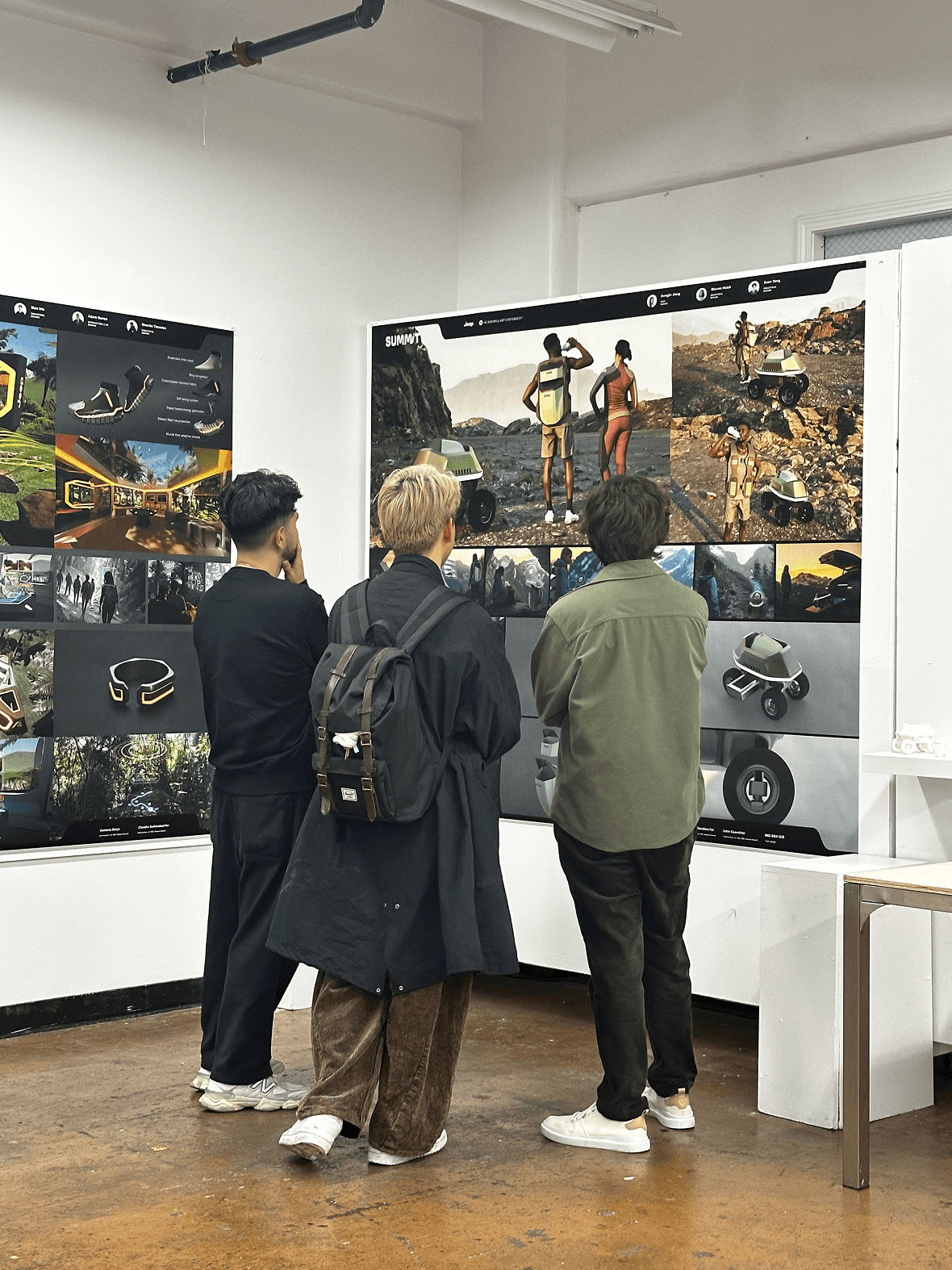
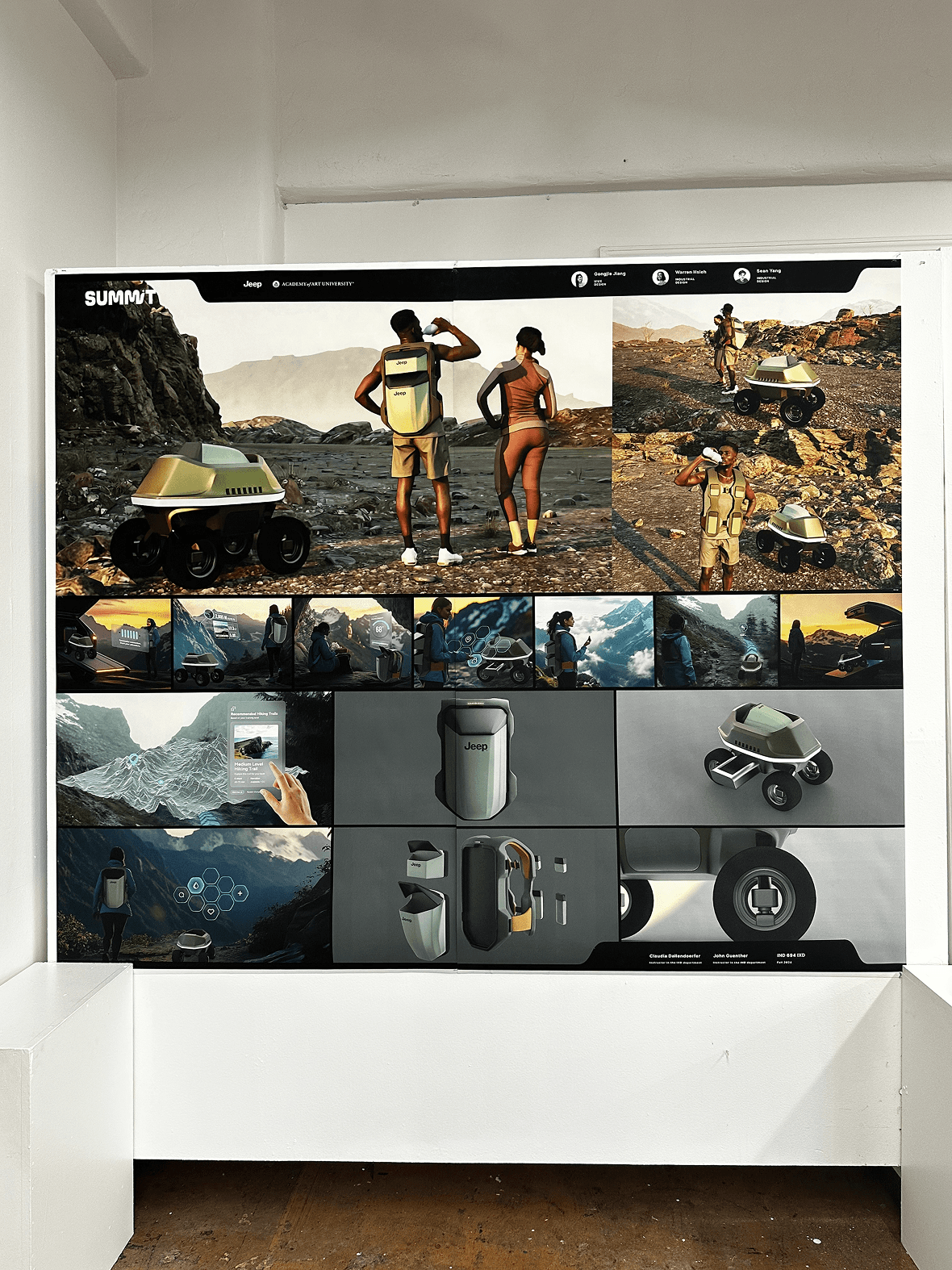
Designing the Future of Emotional Vehicle Experience

Overview
Jeep has always stood for freedom, exploration, and connection with nature.
But in a world where vehicles become autonomous and digital, how do we preserve the spirit of adventure?
Client:
JEEP
Year:
2024
Category:
UI/UX Design
&
Industry Design
Location:
San Francisco, CA
Tool:
Figma · Adobe Creative Suite · XR

The Challenge
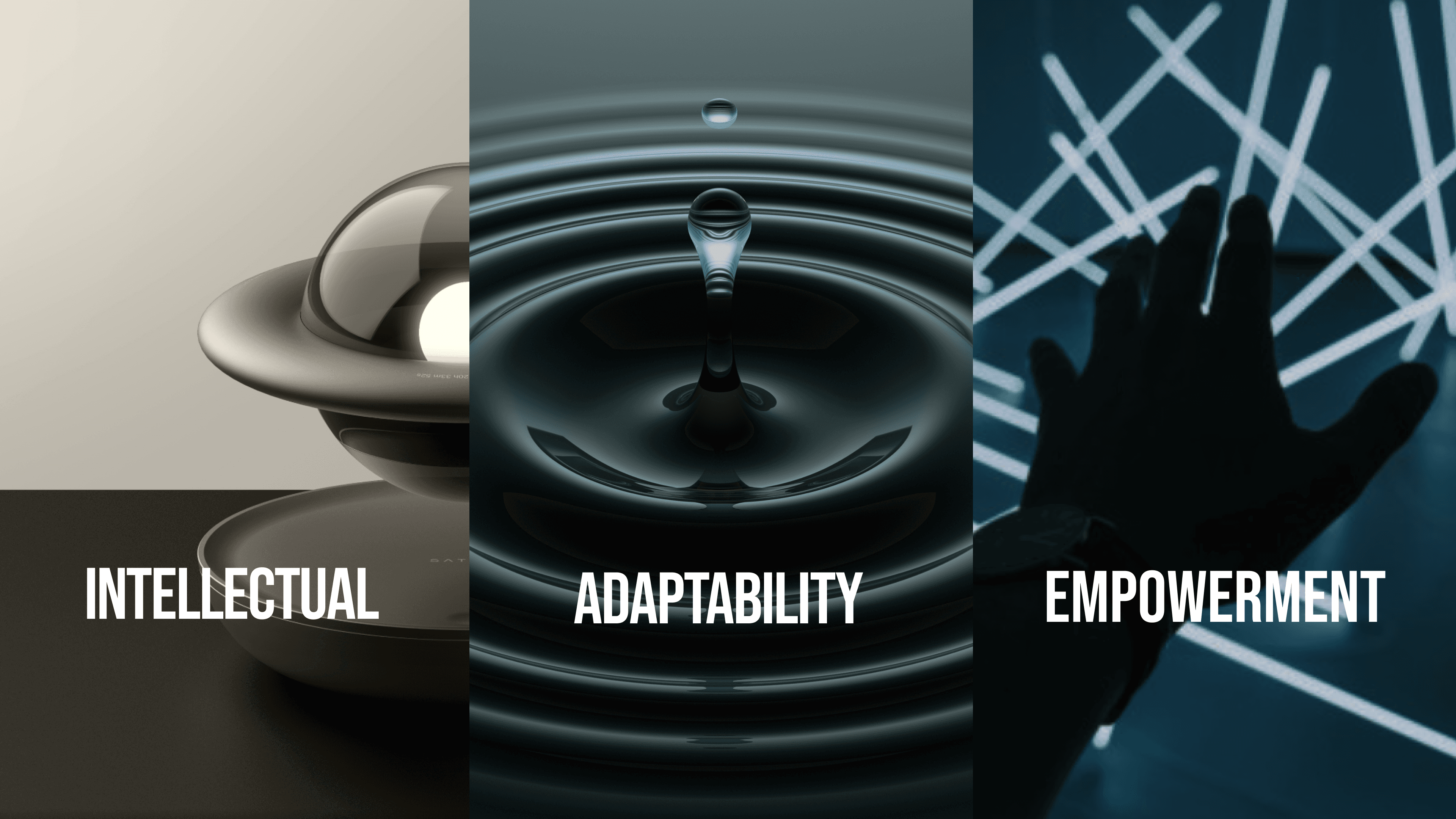
How might we reinterpret Jeep’s core values into a future experience that connects emotion, environment, and technology?
The Goal
Transform Jeep’s identity into an emotional journey, not just physical movement
Design a human-centered speculative experience within XR environments
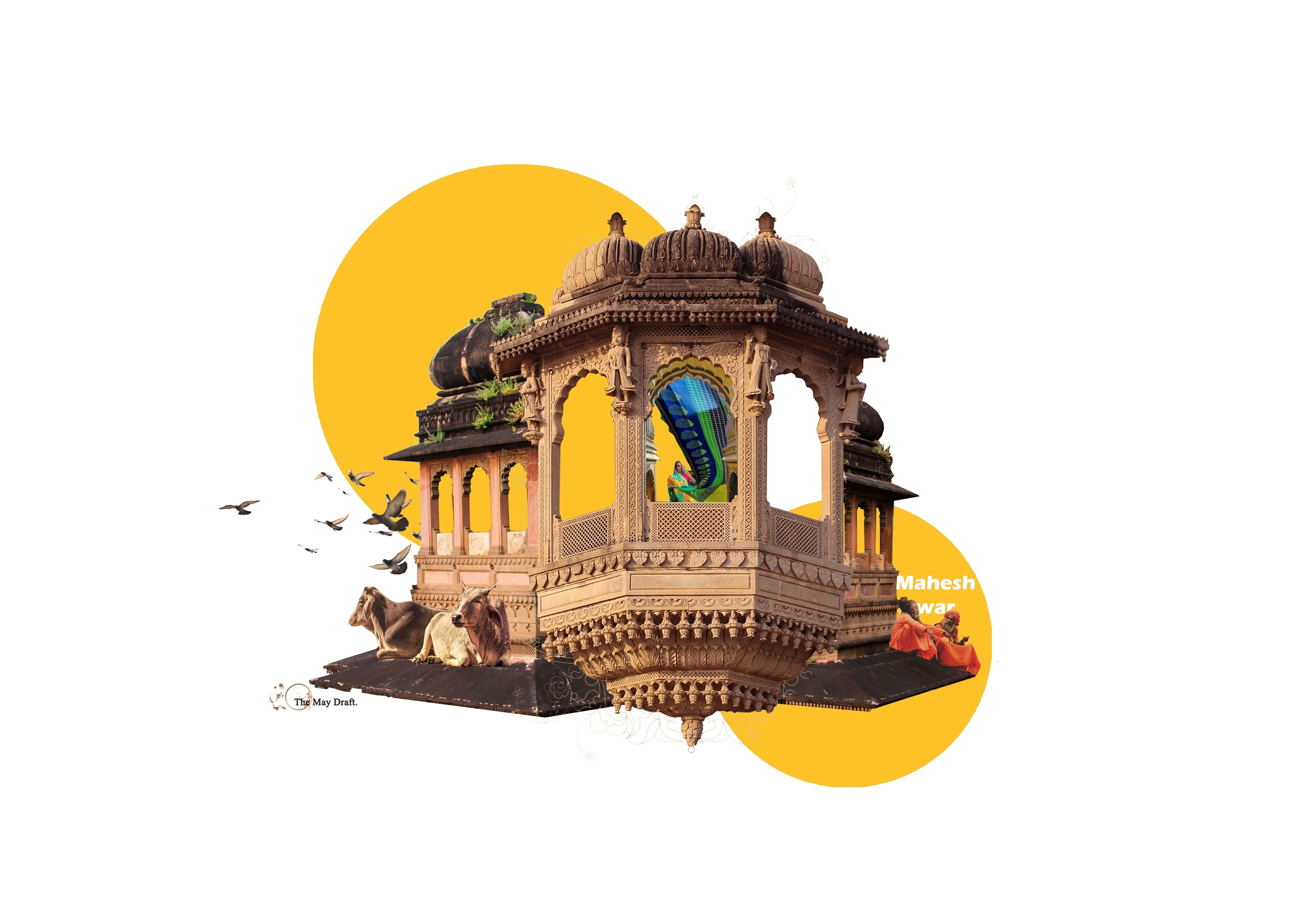
Target Region
INDIA
Experience Narrative
As Alice expanded its digital presence, the brand faced a common challenge:
content needed to be produced frequently, remain visually consistent, and still perform well across platforms.
Rather than designing isolated posts, my role focused on shaping a repeatable content experience system—balancing brand clarity, production efficiency, and audience engagement within real-world constraints.
I collaborated closely with the marketing team and worked within active publishing cycles, stakeholder feedback, and performance signals.
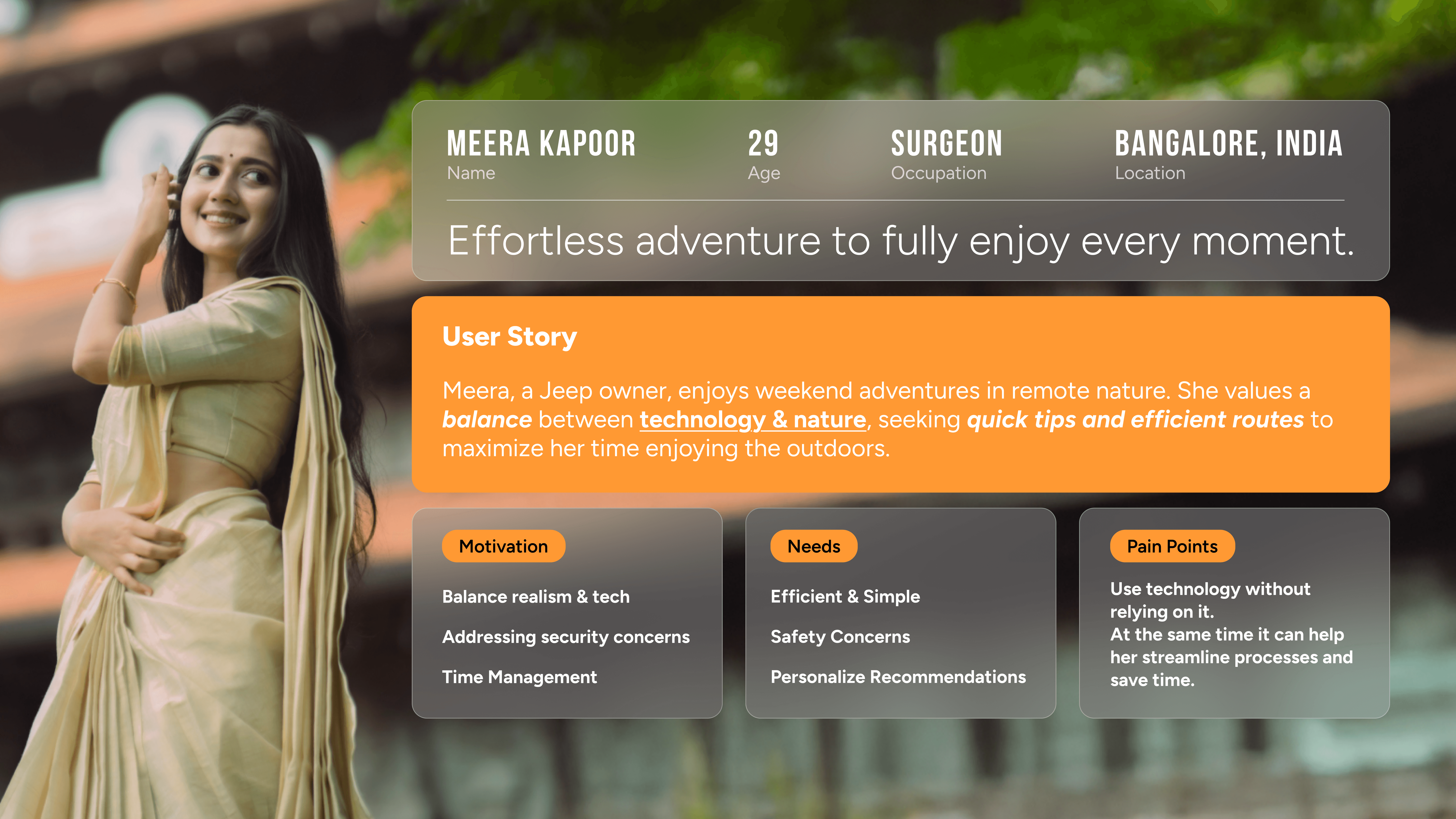
Storyboard
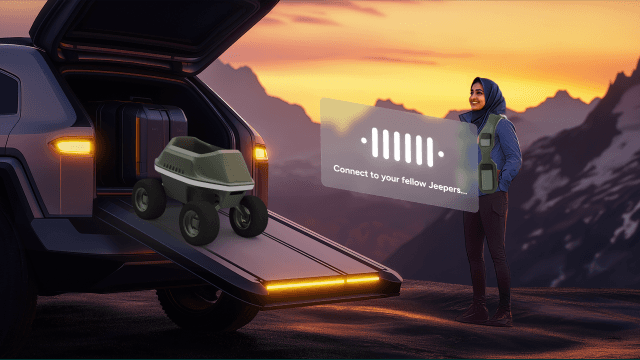
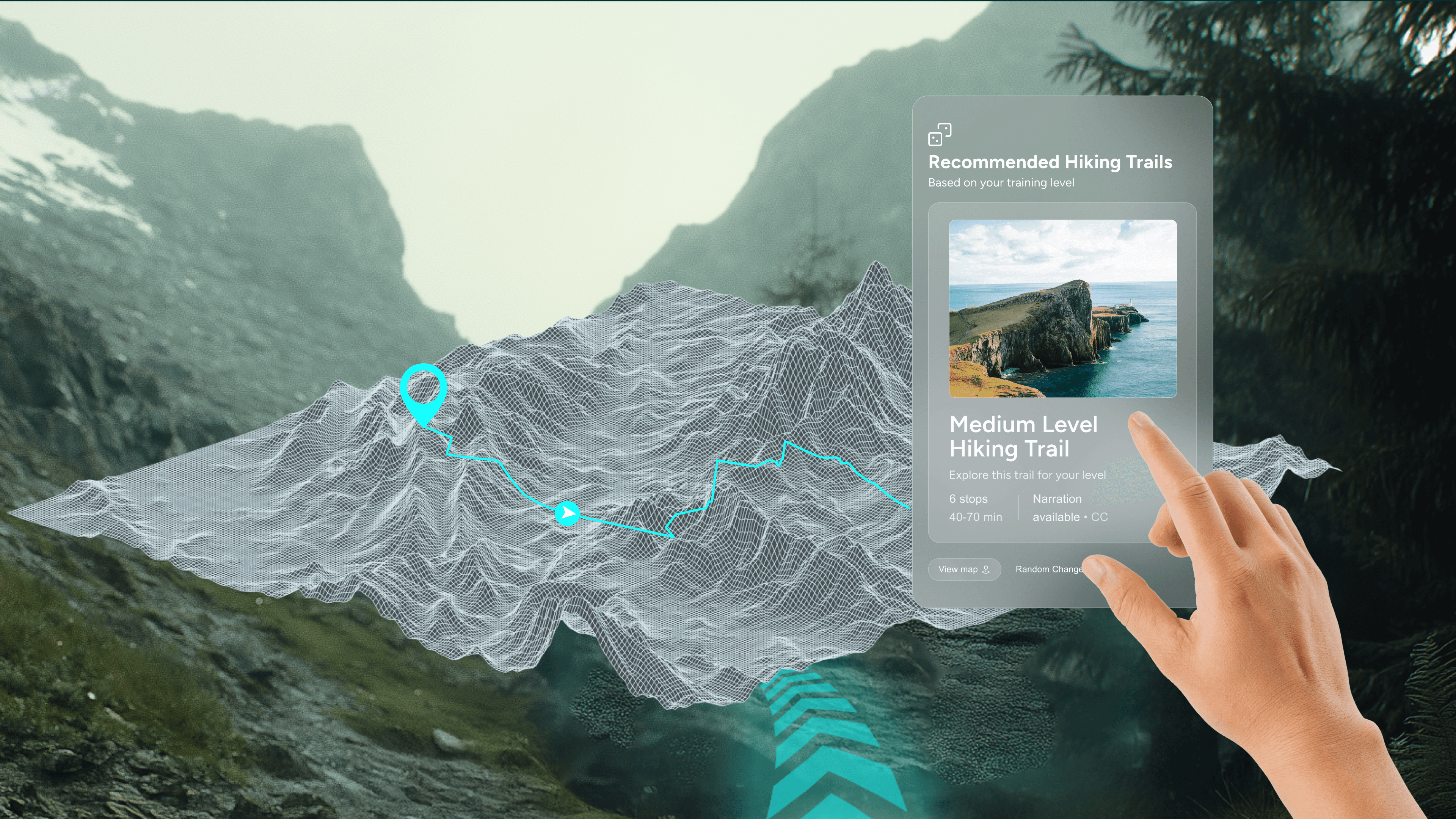
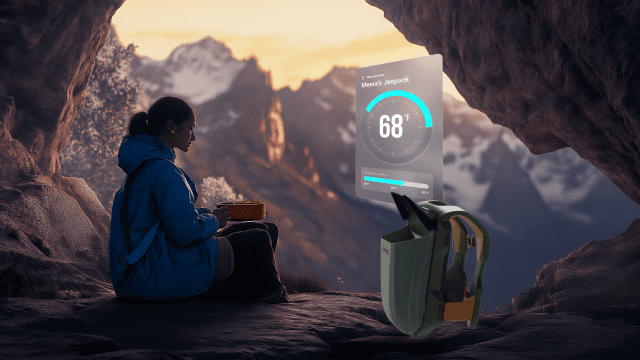
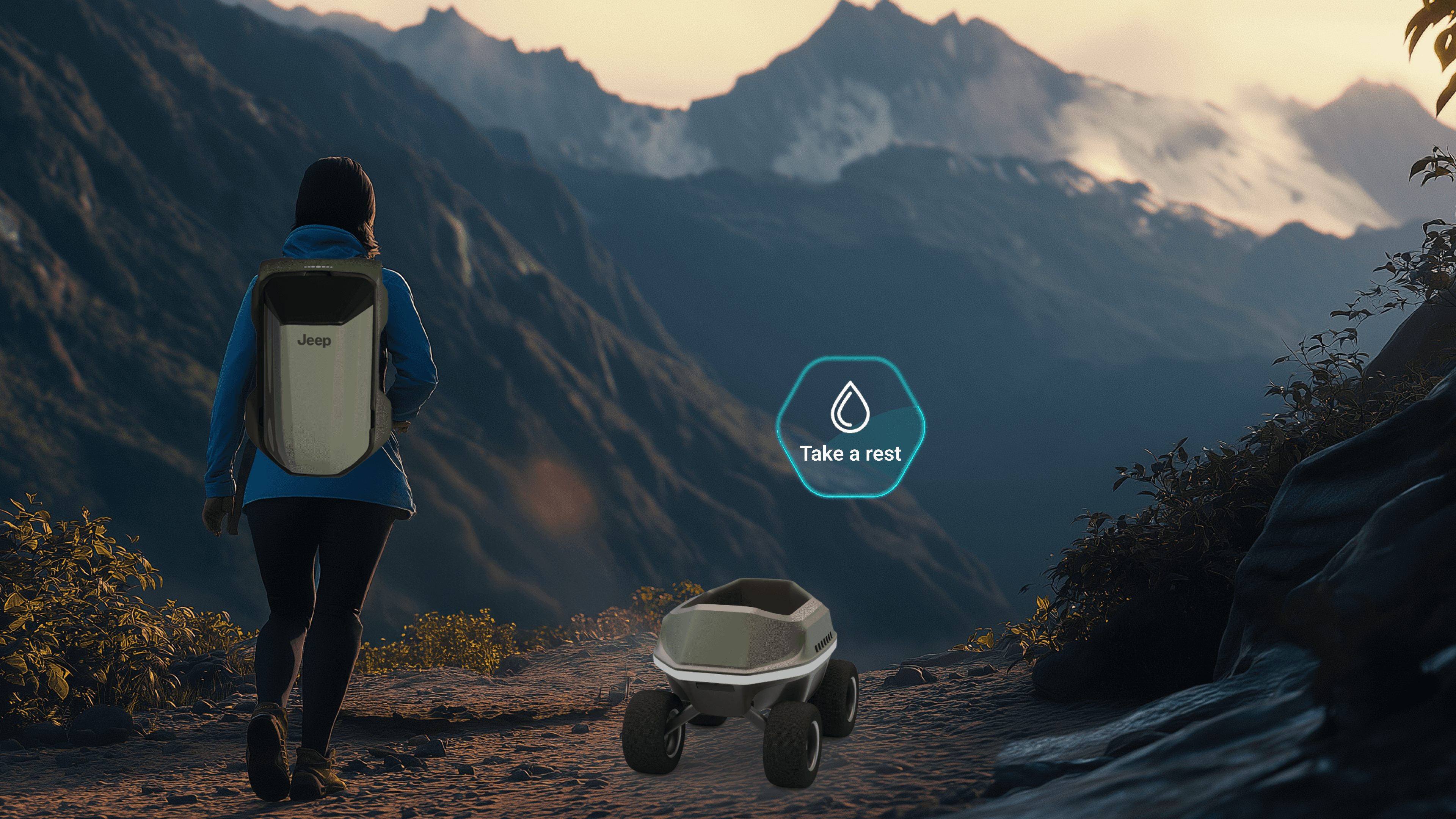
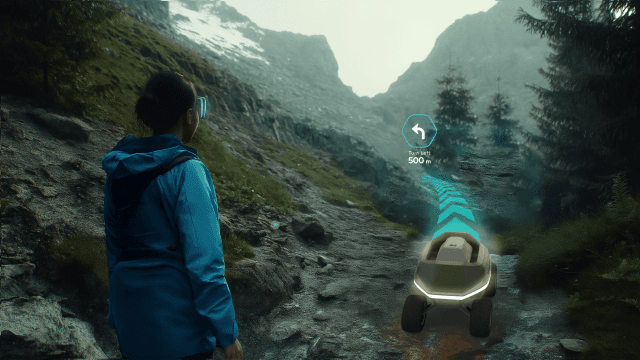
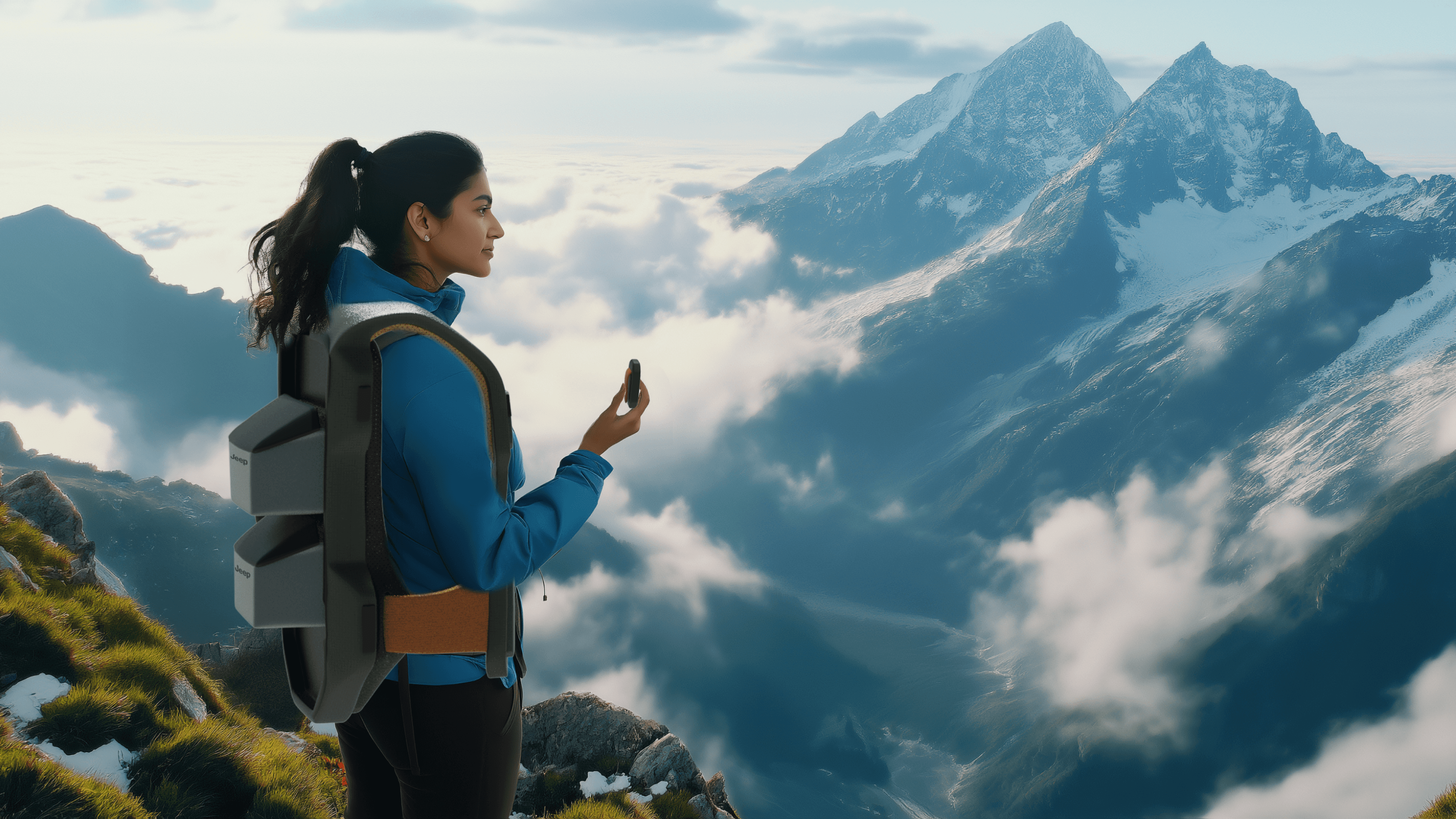
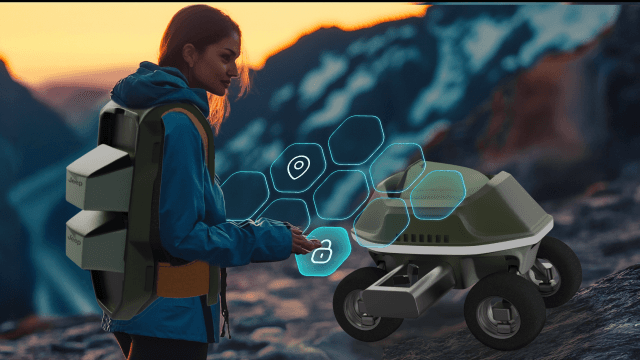
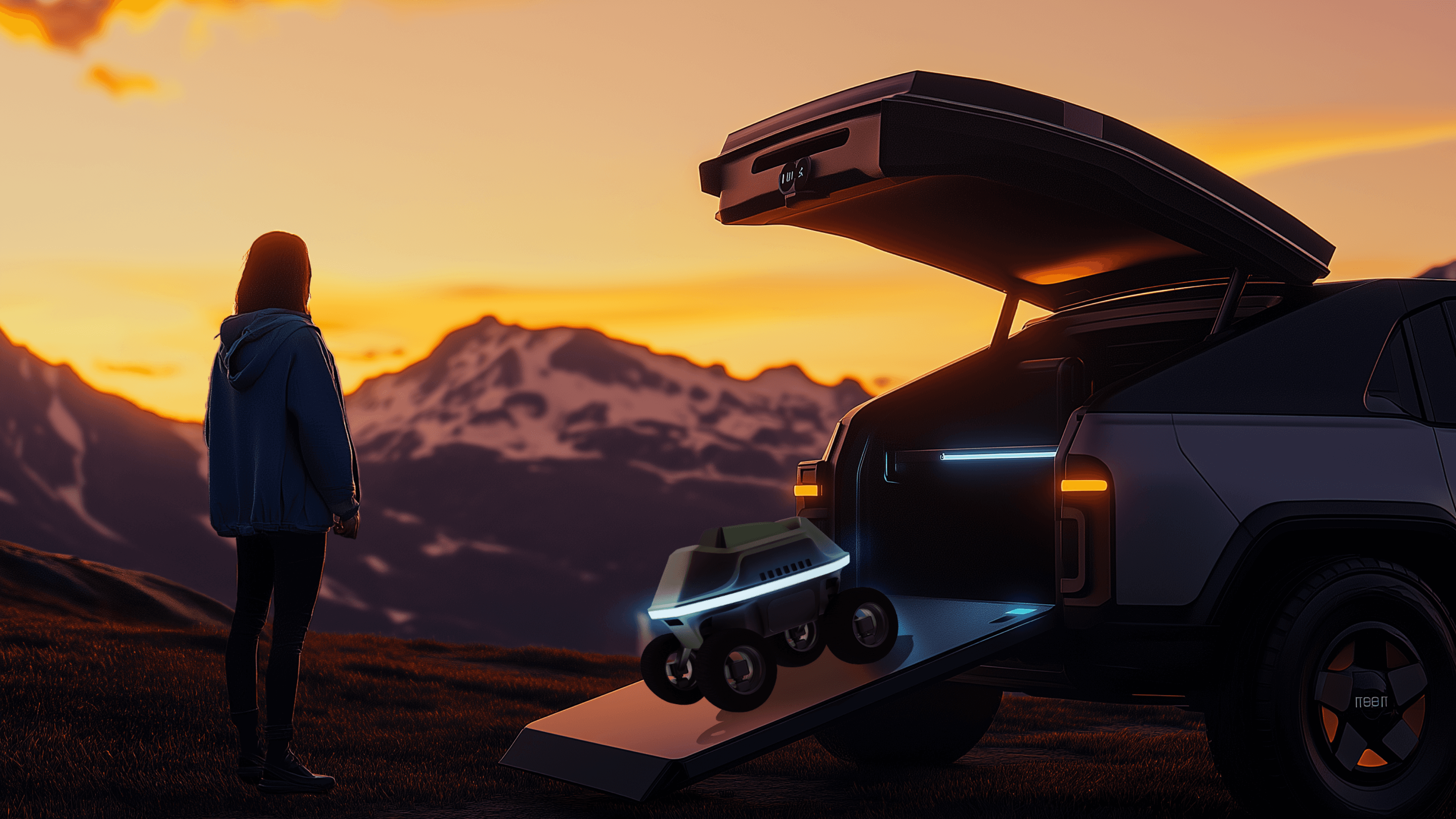
We try to use a simple way to show how the Meera Kapoor’s day journey with Jeep.

Collaboration & Role
Input: Biometric & environmental sensors
Processing Layer: Emotional recognition algorithm
Output: Adaptive lighting, spatial sound, ambient motion
Prototype: Figma / XR

Reflection
This speculative project expanded my understanding of UX beyond screens — into space, motion, and emotion.
It reminded me that the future of design lies not in interfaces, but in experiences that move with us.